
If the equipment's hydraulic system leaks, it will cause pressure fluctuations, resulting in uneven pedal thickness; if the transmission components wear, it will generate vibrations, causing ripples on the pedal surface.
The blank holder force is a key parameter for controlling material flow. Too little force can easily lead to wrinkling, while too much force may cause cracking.
While high-strength steel plates can improve the strength of parts, their high yield strength and severe work hardening result in a significant increase in springback.
Physical phenomena are inevitable during the stamping process for car seat parts, but they can be kept within acceptable limits through systematic process optimization, precise mold design, advanced simulation technology, and strict material control.
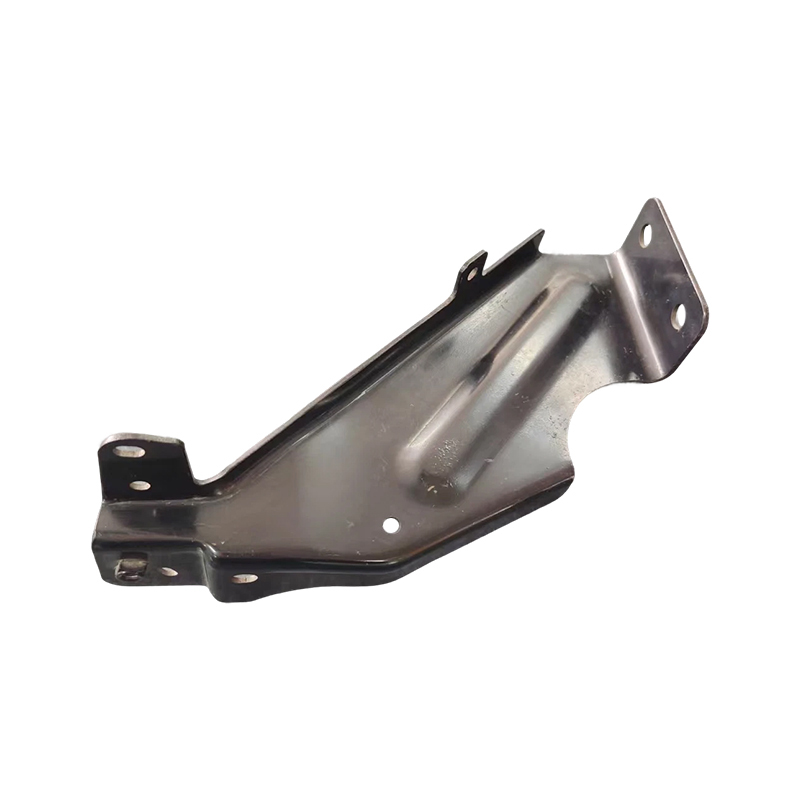
Automobile chassis and other structural parts often feature complex three-dimensional curved surfaces and are often made of high-strength or ultra-high-strength steel to meet load-bearing and crash safety requirements.
The shaping process is the last line of defense for springback compensation. For parts that have already rebounded, a second correction can be performed by adding a shaping sequence.